

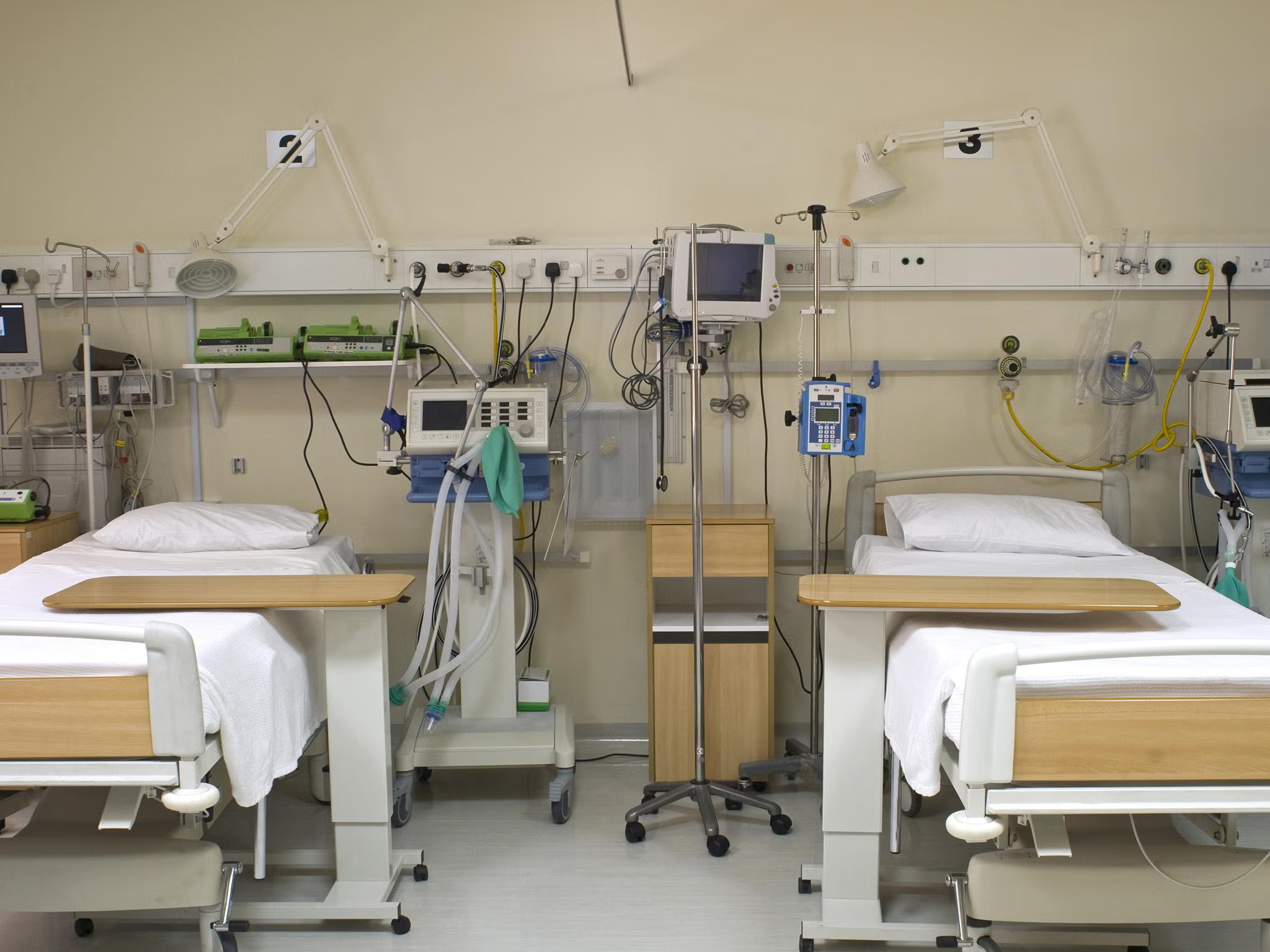
Over 13,500 hospital beds are currently occupied by patients who have been deemed fit for discharge by doctors, causing a significant strain on the healthcare system. This number is three times higher than the pre-pandemic average of 4,580 beds between August 2011 and February 2020, resulting in a daily cost of approximately £5.5 million.
NHS leaders are issuing warnings about the consequences of this bed-blocking phenomenon, which is exacerbating the emergency care crisis. Every month, more than 100,000 patients are forced to wait for over 12 hours for a bed, further delaying critical medical attention. The shortage of caregivers is a contributing factor, as fit patients are unable to be transferred to care homes or receive necessary home support. To make matters worse, many caregivers have sought better-paying jobs in the retail sector. According to Skills for Care, a charity organisation, there are currently 165,000 vacancies in adult social care roles in England.
The lack of available beds not only affects those waiting for admission but also leads to delays in emergency response times for 999 callers. Previously, heart attacks and strokes had an average response time of 18 minutes. However, due to the bed shortage, this response time has increased to an average of 59 minutes, potentially endangering lives.
Addressing this crisis requires significant funding. The government has allocated £13 billion annually through national insurance; however, these funds are currently on hold until the NHS waiting list is cleared, a process that is expected to take several years. This delay raises concerns among healthcare professionals and the public, as the problem continues to escalate.
The current situation of overflowing hospital beds, emergency care delays, and a shortage of caregivers indicates an impending crisis in the healthcare system. Urgent action is necessary to alleviate bed-blocking, ensure timely emergency responses, and incentivise skilled professionals to work in adult social care. Failing to act promptly may have severe consequences for patients and further burden the already strained healthcare system.